
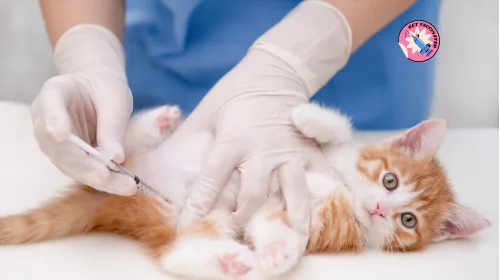
Spanish border and customs authorities, including the Guardia Civil at designated Traveler's Points of Entry, check pet travel documents on arrival, and a pet that doesn't meet the requirements — a missing microchip match, a vaccination given too recently, an invalid or missing passport or health certificate — is treated as non-compliant. The realistic consequences, as with other EU countries, range from the pet being refused entry, to being returned to its country of origin, to being placed in quarantine, generally at the owner's own expense.
A separate category of non-compliance applies once you're in Spain with a dog that should be registered under the PPP system. Since PPP dogs aren't import-banned, the problem here isn't being turned away at the border — it's operating without the municipal licence, the required insurance, or the muzzle and leash in public, all of which carry their own sanctions under Ley 50/1999 and the local ordinance where you're staying, separate from any entry paperwork issue.
None of this is designed to catch out an owner who made a genuine, minor timing mistake — a rabies vaccination given a day or two short of the 21-day window, for instance, is a real problem worth sorting out with a vet in advance rather than discovering at the border. If something has gone wrong before you travel, contacting a vet or the nearest Spanish consulate ahead of time is a far better position than hoping a check won't notice.