
Pet Health & Emergencies in Spain
Finding a vet, insurance, and the two risks that matter more here than almost anywhere else in this guide: summer heat and leishmaniasis.

- Spain’s national heat record is 46.6°C (Córdoba, 1995) — daily highs over 40°C are common inland in summer.
- Leishmaniasis spreads via sandflies at dusk, not ordinary mosquitoes — prevention needs a spot-on, a collar, and ideally a vaccine.
- Major cities (Madrid, Barcelona, Valencia, Seville) all have reliable 24-hour vet clinics.
Guides in this topic
5 guides · updated October 2026
-
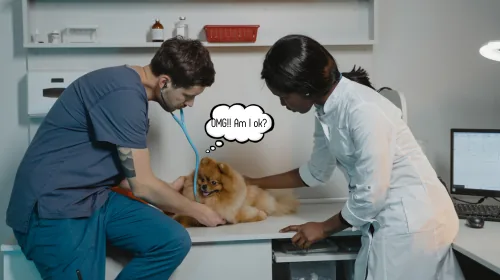
Finding an Emergency Vet
No single national emergency number, but out-of-hours cover runs through a local on-call rota — save a nearby number as soon as you arrive.
-
24-Hour Clinics
Spain's largest cities have round-the-clock veterinary emergency options; smaller towns rely on a local on-call rota instead.
-

Pet Insurance for the Trip
Routine care is comparatively affordable, but Spain's real risks — heatstroke and leishmaniasis — can mean a genuinely expensive emergency bill.
-
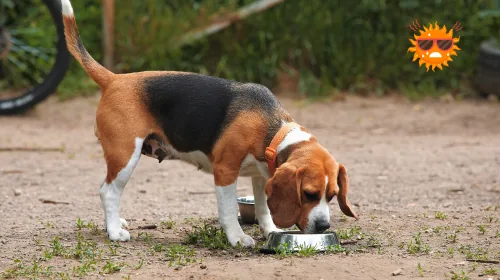
Heat & Heatstroke Safety
Spain holds the continent's own heat records, not just a warm-country stereotype — plan walks around the early morning and evening from roughly May through September.
-

Leishmaniasis: Spain's Sandfly-Borne Risk
Spread by the sandfly, not an ordinary mosquito, and most common on the Mediterranean coast, Andalusia, Extremadura and Madrid — with cases now reported almost nationwide.