 Italy
 Switzerland
 United Kingdom
 France
 Germany
 Spain
 Austria
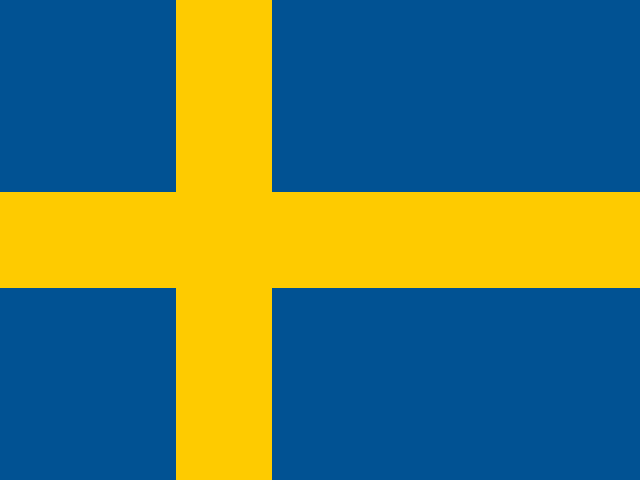 Sweden

Allemansrätten, Sweden's famous 'right of public access,' lets anyone walk, hike or camp across most uncultivated land, including much private land, without asking permission. It sounds like unrestricted freedom for a dog too, but Naturvårdsverket (the Swedish Environmental Protection Agency), the official authority on the right, sets out a specific seasonal rule that overrides that impression for a large part of the year.
From 1 March to 20 August, Naturvårdsverket's guidance states dogs must be under extra control and generally kept on a leash, since they may not run loose during this period — only an extremely well-trained dog may be let off-lead even then. Outside that window, a dog may run off-lead only if it's within sight and can be stopped or called back the moment it encounters wildlife; otherwise it needs a leash or line. Near grazing animals and in reindeer-herding areas, a leash is required year-round, with no seasonal exception.
The legal basis is the Lag om tillsyn över hundar och katter (2007:1150), and Naturvårdsverket's guidance is direct about the stakes: a dog owner has a strict responsibility to avoid harm or serious disturbance to wild and grazing animals — even chasing livestock in a pasture without biting counts — and a dog caught loose by a hunting-rights holder who can't bring it under control risks being shot. It's a genuinely different legal weight from a typical European 'keep dogs on leads' sign, and worth building the whole trip's walking plan around.