 Italy
 Switzerland
 United Kingdom
 France
 Germany
 Spain
 Austria
 Sweden

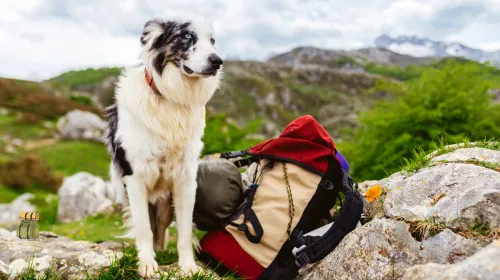
Dogs are always required to be on a physical leash inside Swedish national parks, with no seasonal exception the way allemansrätten allows elsewhere — this is the baseline rule across the park system according to Naturvårdsverket's own guidance, and it's stricter than the general countryside rule precisely because national parks protect especially sensitive habitats.
Several parks layer extra restrictions on top of the baseline leash rule. In Sarek and Padjelanta, two of Sweden's remote mountain parks, dogs are only allowed on the Kungsleden long-distance trail itself, not off-trail across the wider park. Vadvetjåkka restricts dogs to a set seasonal period — 1 January to 30 April — outside of which they aren't permitted in the park at all. Abisko applies that same seasonal window for general access, but makes an exception: a leashed dog is allowed there year-round on roads, marked trails, and in the immediate area around the tourist station and the Abiskojaure huts — just not off-trail outside that window. Gotska Sandön, an island national park in the Baltic, bans pets from landing altogether, so a dog can't visit this one regardless of season or leash.
Nature reserves, a step below national parks in protection status, often carry their own leash requirements too, driven by sensitive wildlife, grazing livestock, or heavy visitor numbers — Naturvårdsverket's guidance recommends checking the sign at the entrance to a specific reserve, or contacting the relevant länsstyrelsen or kommun, rather than assuming the general countryside rule applies inside one.