 Italy
 Switzerland
 United Kingdom
 France
 Germany
 Spain
 Austria
 Sweden

Pet Health & Emergencies in Germany
Finding an emergency vet, Germany's real and officially mapped tick-borne encephalitis risk, the fox tapeworm, and a pet-insurance market that's still catching up to the rest of Europe.

- The Robert Koch-Institut designates 178 German districts (Kreise) as FSME (tick-borne encephalitis) risk zones.
- An estimated 26–32% of foxes in Germany carry fox tapeworm (Echinococcus multilocularis), concentrated in Bavaria and Baden-Württemberg.
- Insured pets more than doubled between 2019 and 2024 — still a smaller share of owners than in Sweden or the UK, but growing fast.
Guides in this topic
5 guides · updated October 2026
-
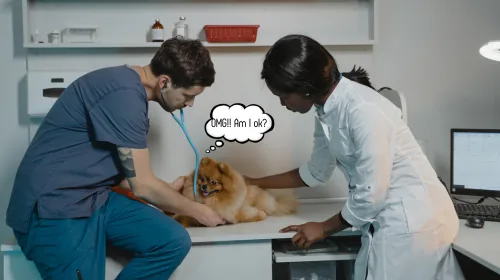
Finding an Emergency Vet
No single national emergency number, but out-of-hours cover runs through a local Notdienst (on-call) rota, often shared between several regular practices in an area.
-

Ticks & FSME (TBE) Risk Zones
Germany's tick-borne encephalitis risk isn't a vague seasonal warning — it's officially mapped, district by district, by the Robert Koch Institute, and almost the whole of Bavaria and Baden-Württemberg sits inside the mapped risk zone.
-

Fuchsbandwurm: The Fox Tapeworm Risk
A genuinely German-specific parasite risk, concentrated in the same southern regions as FSME: fox tapeworm, carried by an estimated quarter to a third of German foxes.
-

Pet Insurance: A Fast-Growing but Still Small Market
Unlike Sweden's near-universal pet insurance culture, Germany's market is genuinely young — growing fast, but still covering only a small slice of the country's dogs and cats.
-

Mandatory Liability Insurance in Some States
A different question from pet-health insurance entirely: several German states legally require liability insurance for every dog, not just Listenhunde — and which states do is, again, decided state by state.